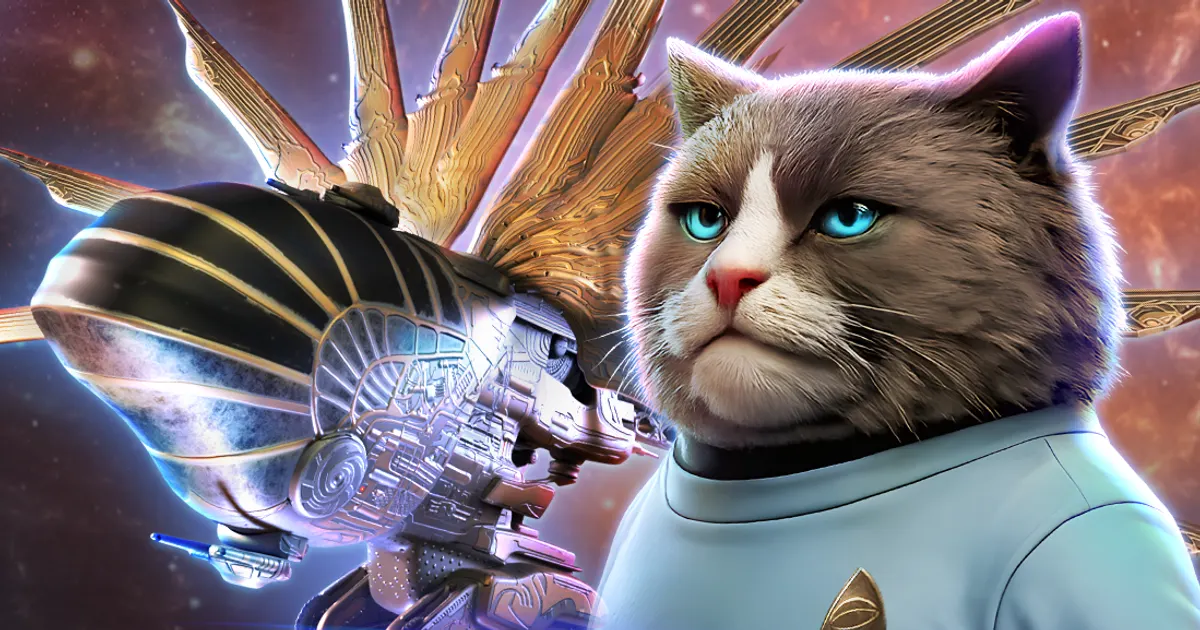

Star Trek Fleet Command hands you a starter ship, a handful of missions, and about a dozen systems it never really explains. The first week is a blur of build timers, three kinds of ship, four kinds of resource, and an officer roster with more than 150 names on it. The good news: almost all of your early progress comes down to a few decisions. Get those right and you'll warp past the players who spread themselves thin.
Follow the story, and don't scatter your resources
The single best piece of early advice is boring: do the missions. The main story questline is the game's tutorial, its economy, and its map guide all at once. It walks you into new systems at the right level, drip-feeds ship blueprints, and hands you resources you'd otherwise grind for hours to earn. When you're unsure what to do next, open the mission log and chase the story marker.
The classic beginner mistake is the same one that sinks new players in every 4X: dabbling. You upgrade a little of everything, start three build timers you can't finish, and spend resources the moment you have them. Don't. Pick a lane and pour into it. Your Operations building (your base level) gates almost everything else, so treat every upgrade decision as "does this get me to the next Ops level faster?"
A few habits that pay off immediately:
- Always have something building and something researching. Empty queues are wasted time. Before you log off, start the longest timer you can afford.
- Don't hoard speedups. Save them for the long Ops and shipyard upgrades that actually bottleneck you, not for shaving a few minutes off a mine.
- Join an active alliance on day one. Alliance help shortens your build timers for free, and the member store and gifts are a steady resource stream. A quiet alliance is worse than none — leave and find a busy one.
Learn the ship combat triangle
Combat in STFC is rock-paper-scissors with a coat of Starfleet paint. There are three hull types, and each beats one and loses to another:
- Interceptors beat Battleships
- Battleships beat Explorers
- Explorers beat Interceptors
That's the whole loop. Before you attack any hostile or player, check its hull type and send the ship that counters it. Attacking into a disadvantage — throwing an Explorer at an Interceptor — turns a clean win into a wreck, and repairs cost you time you don't have.
Match your ships to jobs, too. Explorers are your mining and PvE workhorses early on; the USS Enterprise is a strong, story-obtainable Explorer worth prioritizing. Keep separate ships kitted for separate tasks — a mining ship loaded with cargo officers, a combat ship loaded with damage officers — instead of dragging one do-everything vessel around and losing its cargo every time you get jumped.
Pick a faction and grind its reputation
You'll unlock three factions — Federation, Klingon, Romulan — and each has its own reputation track that unlocks that faction's ships and officers. Reputation comes mostly from grinding hostiles inside that faction's space and completing its missions.
Don't try to max all three at once. Pick one to lead with based on the ships you want, grind its reputation, and let the others build up passively from story progress. Watch your reputation level, though: killing another faction's ships and hostiles can push you into negative standing, which locks you out of their systems and stores. Early on it's safest to stay friendly with everyone and only commit once you know which faction line you're chasing.
Build your base in the right order
Your base is a machine for producing resources and ships, and the parts have to grow together. A common trap is racing your Operations level ahead of everything else, then discovering you can't afford — or store — what the next tier needs.
Prioritize in roughly this order:
- Operations — the master gate; keep it moving, but only when the supporting buildings can keep up.
- Shipyard and Drydocks — better ships and more of them active at once. More drydocks means mining and fighting simultaneously.
- Resource generators and storage — mines and warehouses. Under-built storage means raw resources sit capped and wasted, and unprotected surpluses get raided.
- Research and Development — slower to feel, but the tech tree quietly boosts mining rate, ship stats and build speed across your whole account. Keep a research running at all times.
Set up your officers to match. An officer's ability only fires when they're the Captain in the center bridge slot, so build your crews around one captain's ability plus two supporting officers whose bonuses stack with it. You don't need to understand all 150 officers — you need three good ones for mining and three for combat.
The short version
Chase the story missions, they are your roadmap. Keep every build and research queue full, and join a busy alliance the day you start. Respect the Interceptor-Battleship-Explorer triangle before every fight, commit to one faction's reputation, and grow your base as a whole instead of sprinting Operations ahead of its supports. Do that, and the sprawling machine that overwhelms most new commanders becomes exactly what it's meant to be — a steady, satisfying climb through the galaxy.