Verdict
A good-looking sci-fi strategy MMO with some genuinely player-friendly design choices, held back by a still-rough launch state, misleading marketing, and a pay-to-win competitive ceiling.
Every year a new sci-fi strategy MMO turns up promising to be the one that respects your time and your wallet. Most don't mean it. Project Entropy, to its credit, actually took a swing at the genre's worst habits — and then tripped over some of the oldest ones on the way to the finish line. It's a game that's easy to root for and hard to fully recommend, which is a more interesting place to be than most of its rivals.
Project Entropy is a free-to-play sci-fi strategy RPG MMO from FunPlus, out since April 2024 on Windows via Steam alongside mobile. As of 2026 it's still on a pre-1.0 version number, rolling out fresh content while it works through the usual live-service growing pains. Because it's newer and less thoroughly documented than the genre's giants, we'll stick to what's clear from hands-on play and the game's current state, and steer away from anything we can't stand behind.
A 4X with actual tactics in the battles
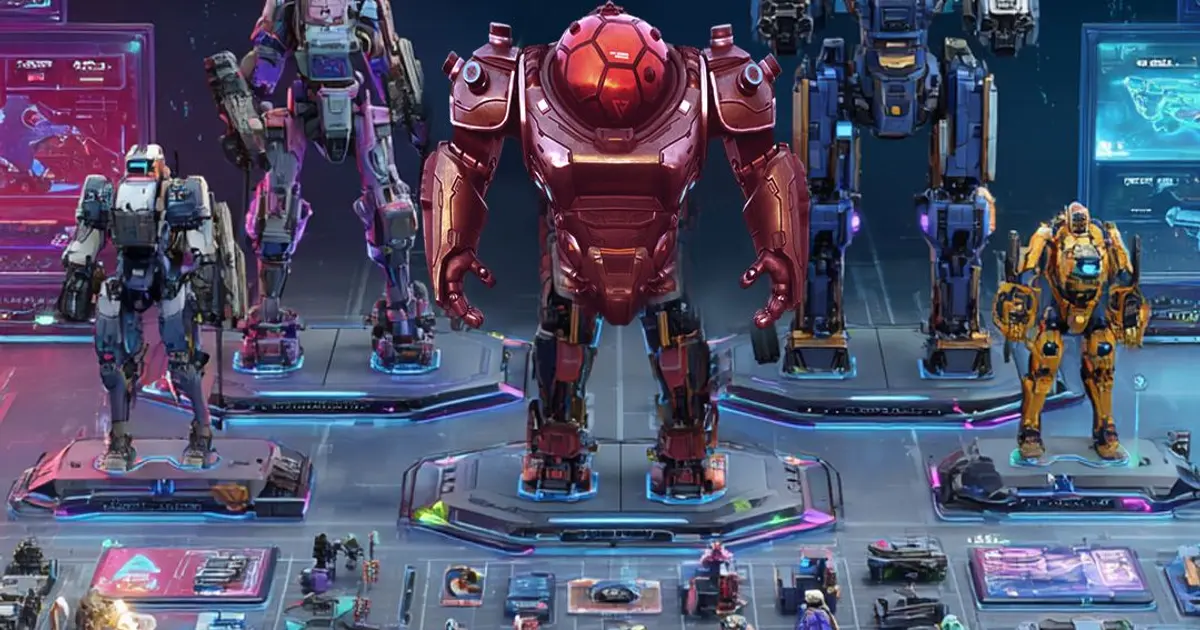
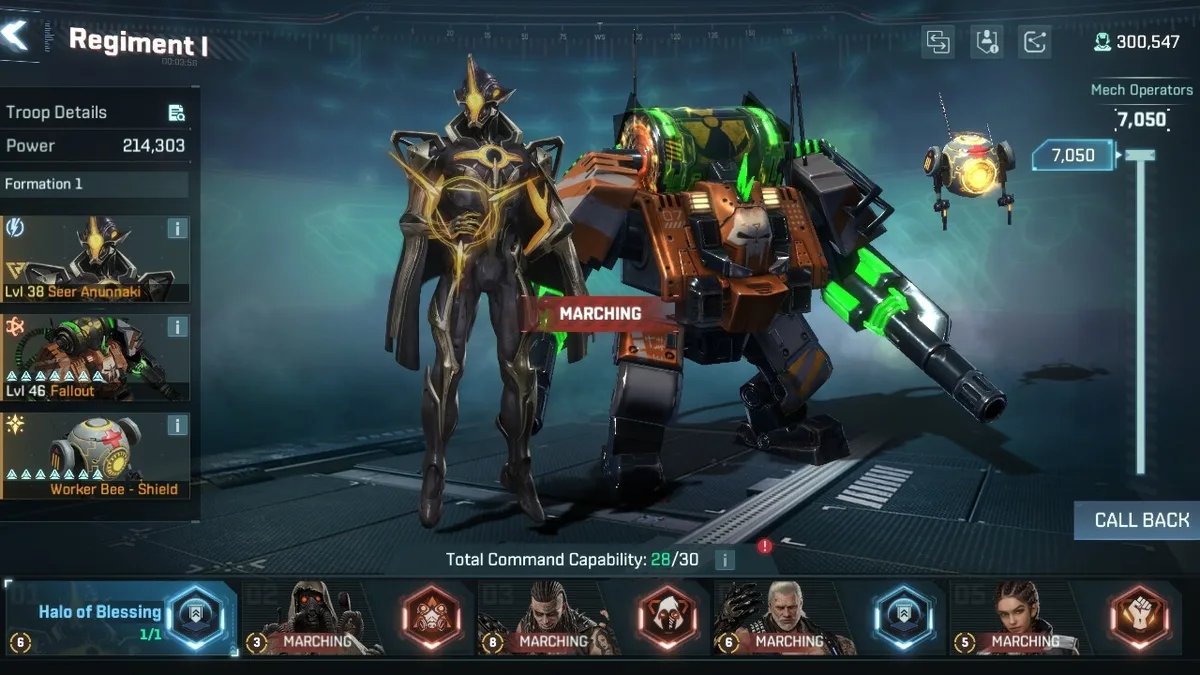
The pitch is a sci-fi 4X hybrid: command an alien civilization, explore and conquer uncharted planets, and build a stable of hero fleets. That framing is standard, but the combat is where Entropy tries to differentiate itself. Instead of two numbers colliding, battles pair heroes — each with unique abilities and combat roles — with troops, mechs and futuristic weapons, and play out in real time with actual positioning and ability triggers. You're building a force that suits a playstyle, then adapting on the fly as a fight develops.
It gives engagements more texture than the fire-and-forget march-timers of most strategy MMOs. It's not a deep tactics game — this is still a 4X at heart, where your account's overall power does most of the talking — but the extra layer of hero kits and mech loadouts makes the moment-to-moment more engaging than the genre norm, and it's the clearest thing Entropy does to stand apart.
The player-friendly ideas are real
Here's what genuinely surprised me. Project Entropy is, in its bones, one of the more free-to-play-friendly strategy MMOs on Steam right now. The headline is the no-build-timer design: it strips out the single most infuriating monetization trap in the genre — the endless upgrade countdowns that competitors sell you shortcuts around. Not having to schedule your day around timers or pay to skip them is a real, felt improvement, and it changes the rhythm of play for the better.
The alliance layer is the other bright spot. Entropy is at its best played with a coordinated group — the game rewards teamwork over raw wallet in most of its content, and players consistently report that the inter-alliance politics and rivalries become more compelling than the scripted lore. If you come in with friends or join an active alliance early, this is where the game finds its legs, and it's genuinely fun.
Production values back the ambition. It looks the part, the presentation is slick, and FunPlus has kept updates coming. The early game, in particular, is generous and approachable in a way that makes the first stretch enjoyable rather than a chore.
Where it stumbles
Now the hard part, and it's the reason the score isn't higher. The single most-cited reason players bounce is deceptive advertising — marketing that oversells or misrepresents what the game actually is, setting expectations the real product can't meet. New players arrive expecting one thing, find another, and churn immediately. It's a self-inflicted wound, and it poisons first impressions before the good design ever gets a chance to land.
Then there's the ceiling. For all its player-friendly base design, top-tier competitive PvP is pay-to-win, plain and simple. The server-number-one spots and the limited-event leaderboards belong to whales, and staying near the top of a region reportedly demands serious ongoing spending. So the promise is half-kept: the day-to-day is fairer than most, but the summit is the same spending contest as everywhere else. If you're competitive by nature, that gap will grate.
And it's still early. On a pre-1.0 version, you should expect the things that come with it — bugs, localization quirks, and balance changes that can reshuffle what's strong from patch to patch. Sentiment has wobbled in 2026 on exactly these fronts: technical instability and the mismatch between the marketing and the game. There's a good title in here, but it hasn't fully settled yet.
Who it's actually for
Project Entropy is for the strategy-MMO player who wants the genre's loop without the timer tyranny, and who's happy to play cooperatively rather than chase the top of a paid leaderboard. Go in for the alliance experience, enjoy the more tactical battles and the no-timer freedom, and don't expect to compete at the very peak without opening your wallet. If you can set your expectations by the game itself rather than its ads, there's a genuinely decent experience here — and one that could grow into something better.
Verdict
Project Entropy is a promising, still-unfinished sci-fi strategy MMO with a couple of genuinely progressive ideas and a couple of very old problems. The no-timer design and hero-mech combat are real steps forward, and the alliance play is a good time. But misleading marketing and a pay-to-win apex keep undercutting the goodwill, and the early-version rough edges are still visible. Worth watching, worth trying free — just walk in eyes open.
Rating: 6.0 / 10 — Good instincts and a fun alliance game, dragged down by its own marketing and a familiar spending ceiling.
Pros
- No build-timer design removes one of the genre's worst pay-to-skip traps
- Hero-plus-mech team-building gives battles more tactical texture than most 4X MMOs
- Strong production values and a genuinely rewarding alliance layer
- Regular updates and one of the more F2P-friendly early games on Steam
Cons
- Deceptive advertising sets the wrong expectations and drives early churn
- Top-tier PvP is firmly pay-to-win, dominated by heavy spenders
- Still in an early version — expect bugs, localization quirks and balance churn